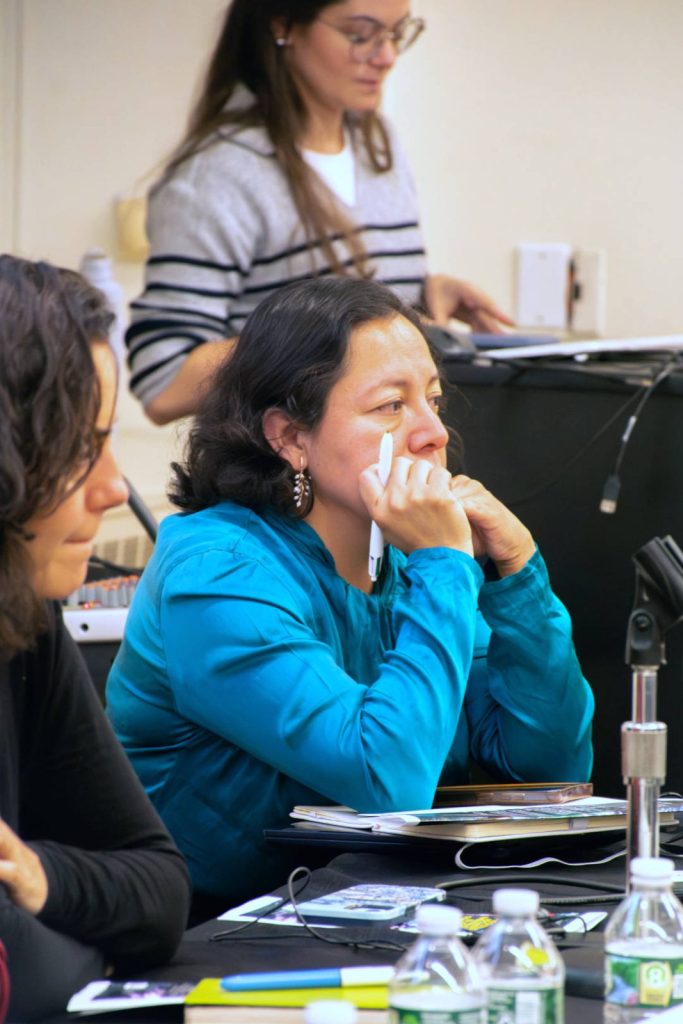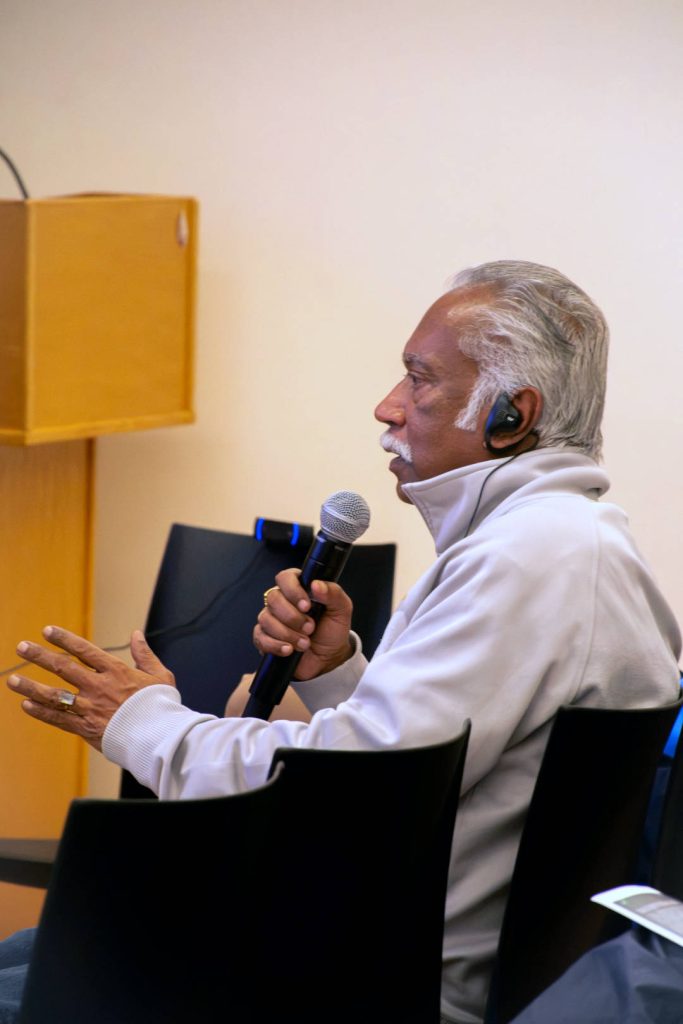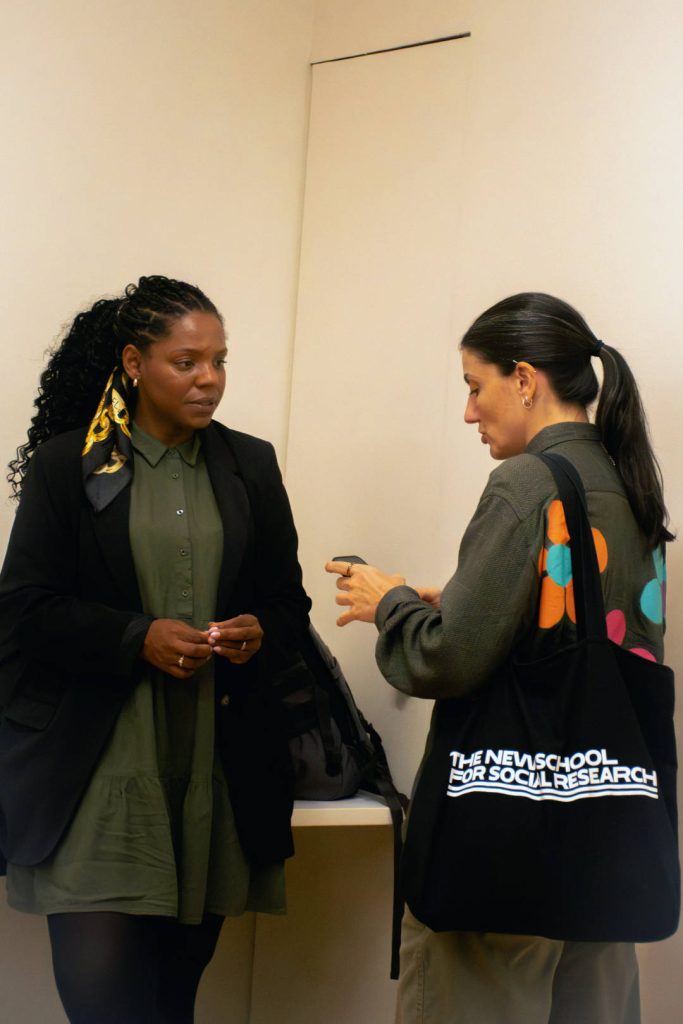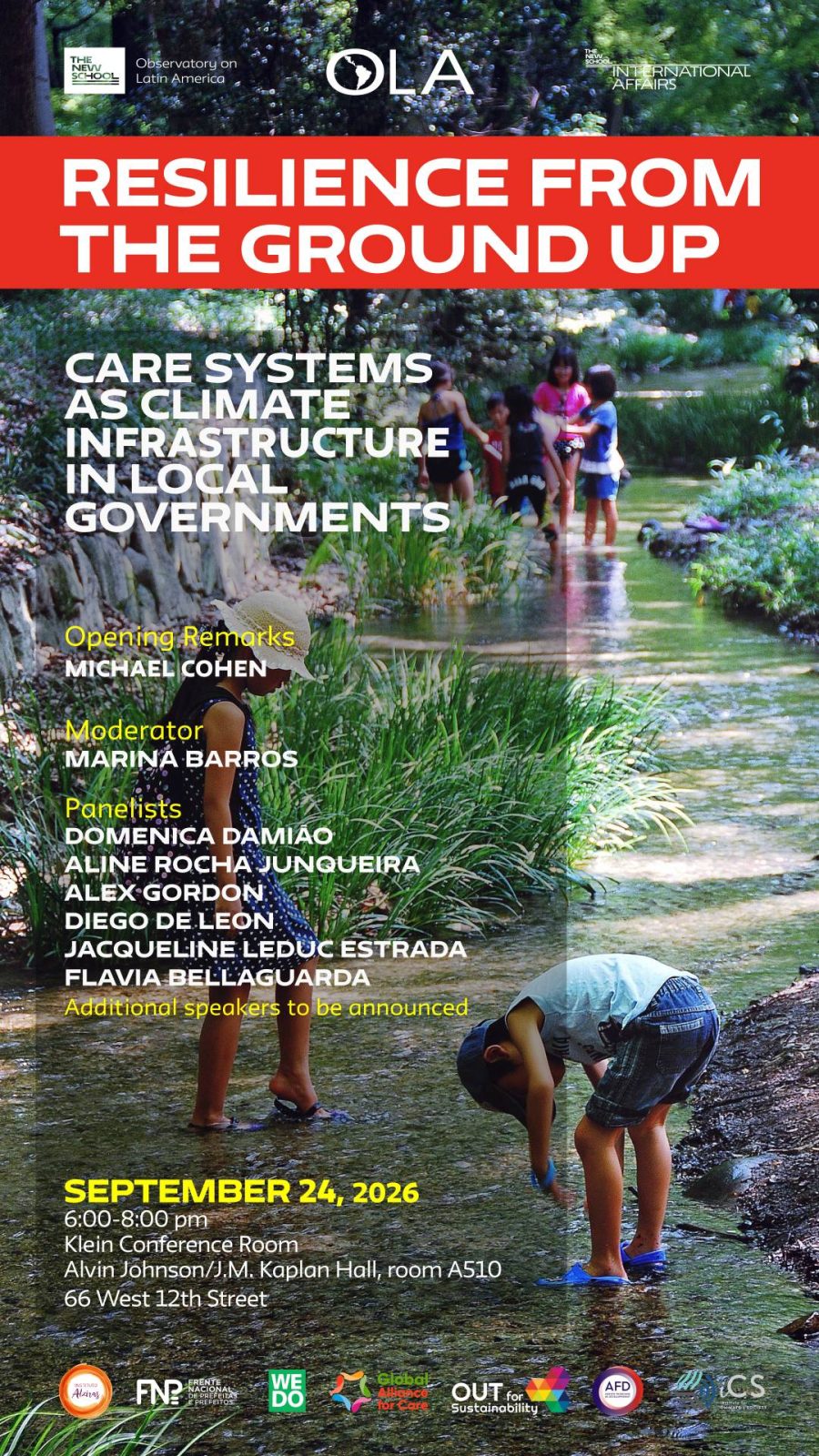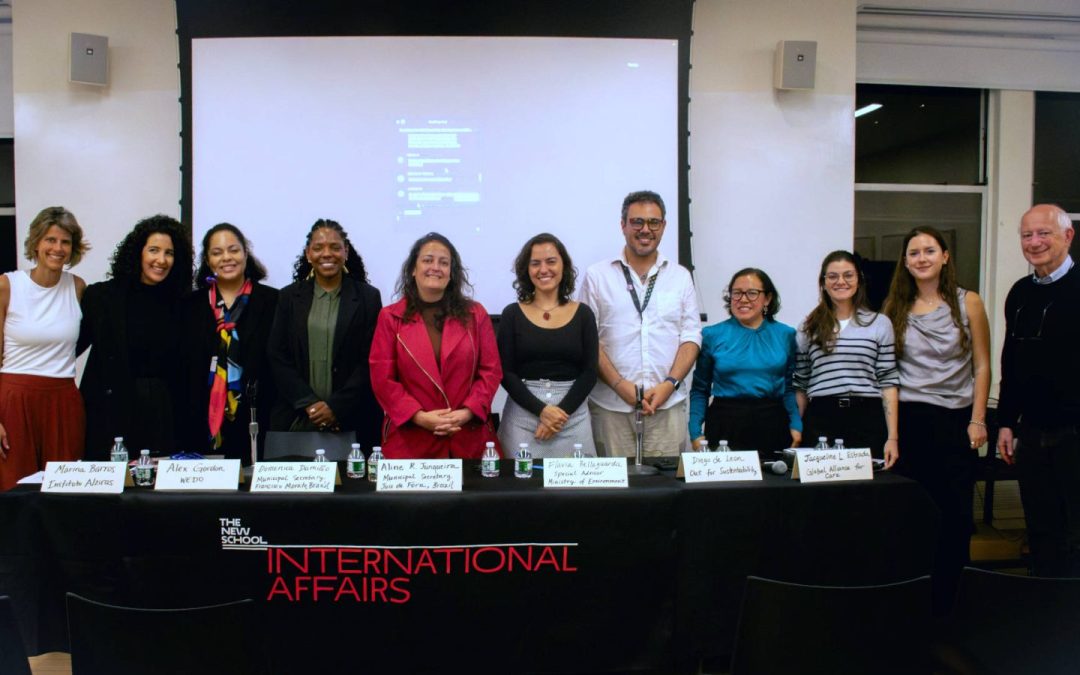
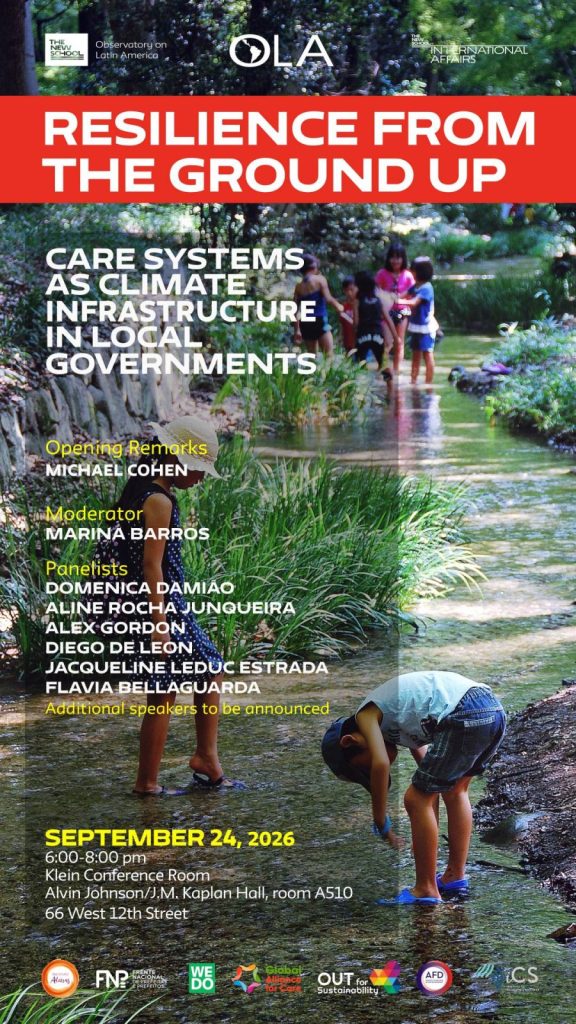
On Thursday, September 24, 2026, the Alziras Institute and the New School Observatory on Latin America held a panel discussion on climate justice and care, exploring the connection between climate policies and care systems.
The event opened with welcoming remarks by Professor Michael Cohen (director of the OLA). Then, Marina Barros, executive director of the Alziras Institute and panel moderator, posed the central challenge that care work—primarily performed by women, Black people, and Indigenous people—is the first and last line of defense against the climate crisis and must be recognized as climate infrastructure.
The first speaker was Alex Gordon, Manager of Policy and Development at WEDO, who discussed how care systems (including educators, doulas, and healthcare professionals) function as climate resilience infrastructure when integrated into adaptation plans.

Two case studies were presented. The first case was presented by Domenica Damião, Municipal Secretary of Housing, Environment, Climate, and Energy for Francisco Morato (a municipality in São Paulo) in Brazil. In her remarks, she detailed how her city developed innovative policies linking risk management with care, prioritizing women in decision-making, and implementing programs such as “Viela para Elas,” which revitalized public spaces based on community input.
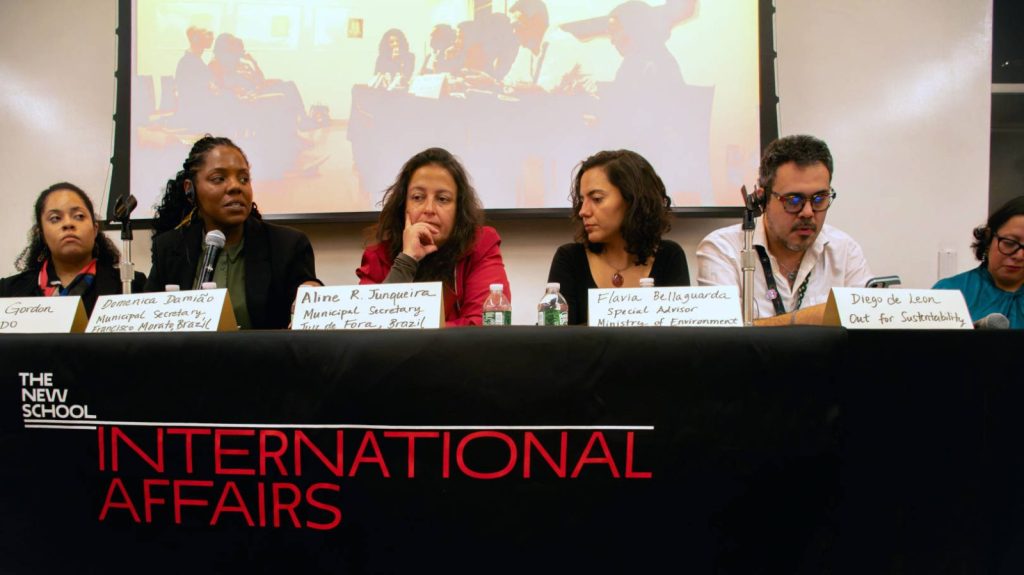
The second case was presented by Aline Rocha Junqueira, Municipal Secretary of Sustainability and Climate Change for Juiz de Fora (state of Minas Gerais), also in Brazil. Aline shared how her city faced a significant climate-related disaster in 2021 and how the city government implemented the “Boniteza” program for reconstruction, including reducing civil servants’ work hours to allow for community care work.

After that, Flávia Bellaguarda, special advisor for COP30 at the Ministry of the Environment and Climate Change of Brazil, broadened the perspective to include global insights on the challenges of climate finance—highlighting the disparity between public funds allocated to climate adaptation ($34 billion) and the profits of the five largest oil companies since the invasion of Ukraine (approximately $1 trillion).
Diego Leon, from Out for Sustainability, brought the intersection of LGBTQ+ rights and climate justice into the discussion, sharing lessons learned and best practices from places like California and Mexico, which have adopted specific policies for LGBTQ+ people and people with disabilities. Finally, Jacqueline Leduc Estrada, Program Officer at the Global Alliance for Care, advocated for the importance of integrating care and social justice into climate policies, highlighting Mexico’s work on NDC 3.0.
The panel concluded with a Q&A session.