For Spanish language text see: AUTOCONSTRUCCIÓN DE FACHADAS EN LA ZONA PATRIMONIAL DE REGLA Y CENTRO HABANA | ESTUDIO PLURIANUAL INTERUNIVERSITARIO – OLA
The New School, Graduate Program in International Affairs, 2018, 2020, 2023.
Pratt Institute, Graduate School of Architecture, 2023.
Technological University of Havana (CUJAE), School of Architecture, 2023
URBAN CONTEXT:
WORLD HERITAGE SITE AND BUFFER ZONE:
HISTORIC PRESERVATION CONTEXT:
INTRODUCTION:
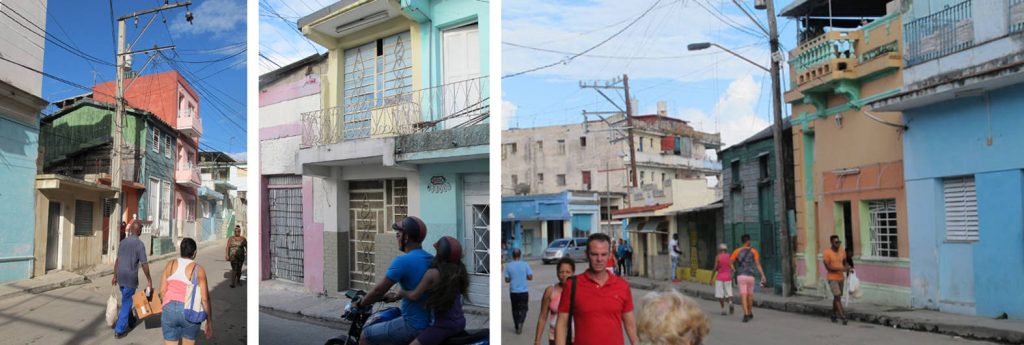
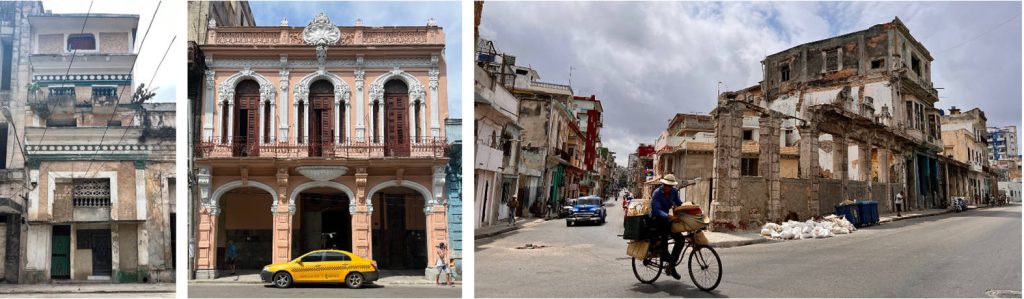
This project analyzes the evolving aesthetic relationship between formal heritage architecture and informal, self-built modifications in two historic Havana neighborhoods: Regla and Centro Habana. The work consists of photographic images of every facade in target survey zones, forming unexpurgated portraits of their respective urban environments. The Regla survey of 500 facades was accomplished in 2018 by students from The New School. The Centro Habana survey documents 1,000 facades and was created across 2020 to 2024 by a student team from the Pratt Institute, the New School, and the School of Architecture of the Technological University of Havana (CUJAE). In both neighborhoods the surveys examine how residents have adapted buildings to meet their needs regardless of economic hardship and material scarcity. Such changes are largely unregulated by municipal authorities and take place in the absence of government aid for structural maintenance. About 600 buildings a year collapse, in whole or part, in the city. This is evident when walking through the streets of Centro Havana.
The initiative began in response to a dilemma faced by Havana’s Office of the Historian (OHCH): how to survey neighborhoods where decades of hardship had given rise to extensive, often improvised, alterations—modifications that both support continued habitation and disrupt the architectural coherence of historic streetscapes, sometimes compromising the structural integrity of heritage buildings. In seeking to document these environments, the OHCH recognized the need to objectify the visual characteristics of self-built architecture which many Cuban architects, historians, and preservationists deplored as appearing disjointed and anarchic.
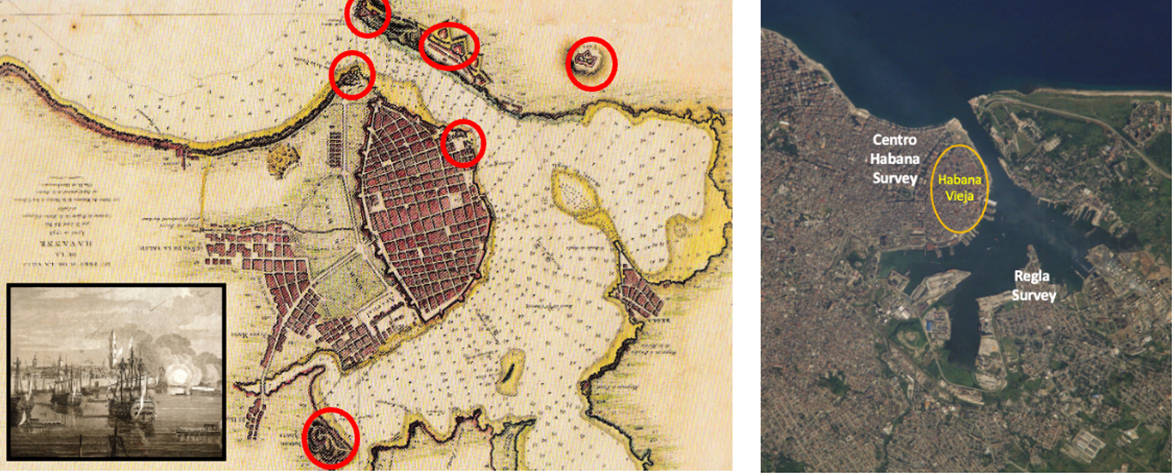
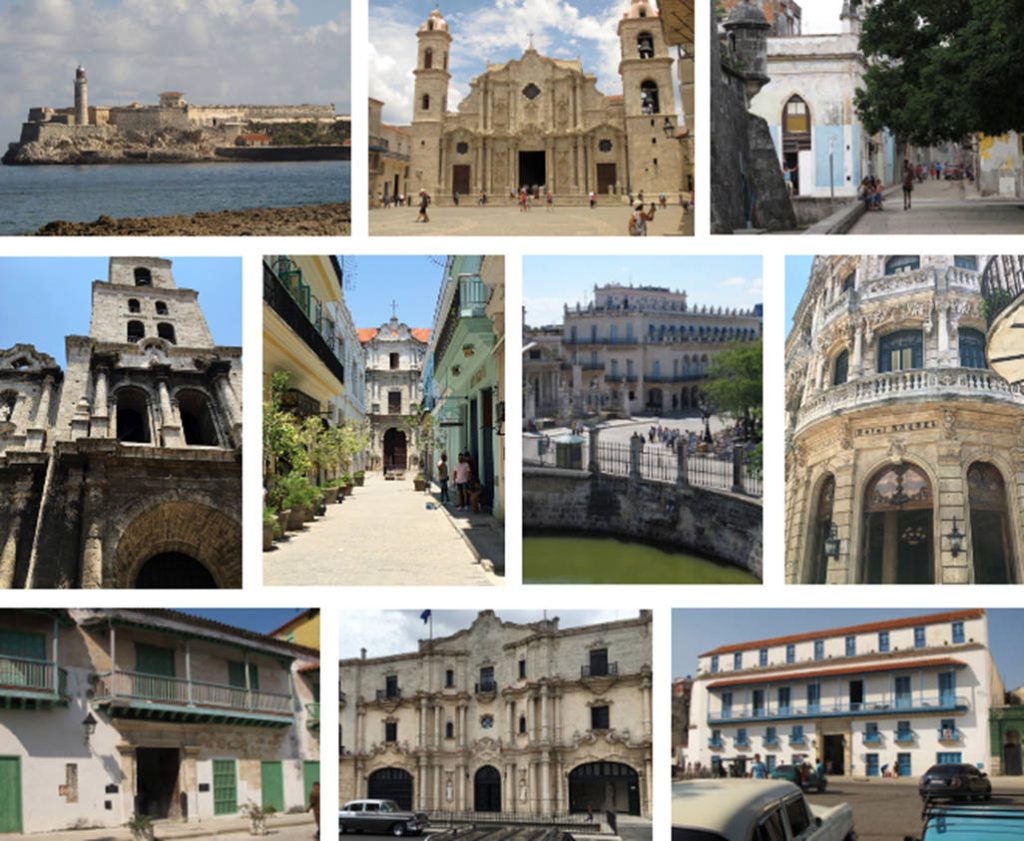
The two neighborhoods reflect distinct strands of Havana’s urban history. Regla, across the bay from the old city, grew as an unpretentious working-class settlement, historically home to laborers, dockworkers, and former slaves and their progeny. Centro Habana, once the modern downtown, flourished with neoclassical mansions and handsome apartment houses built by the city’s elite during the sugar boom of the late 19th and early 20th centuries. Today, both areas are marked by severe material decline, but also by the ingenuity of residents who continue to shape their surroundings while they live within them.
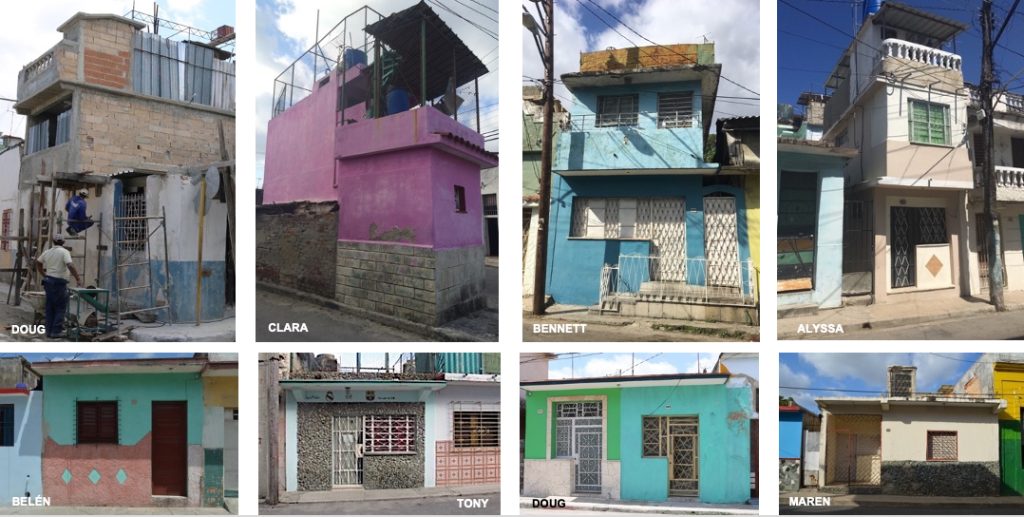
The survey teams applied a consistent methodology: photographing every facade within a defined zone, then coding the images using a rubric of visual criteria. In Regla, self-built modifications involved either one-story facade alterations or multistory additions to an original one-story structure. In Centro Habana self-built modifications occurred either within the existing fenestrations of front elevations or required cutting new openings in masonry street facades to provide light and air. Concurrently, and sometimes due to self-built construction work, significant historic building fabric was either largely intact, somewhat intact, or at risk of collapse. The result is a comparative dataset that allows for both quantitative and qualitative analysis—and that makes visible a range of informal design strategies often overlooked in official accounts of the city.
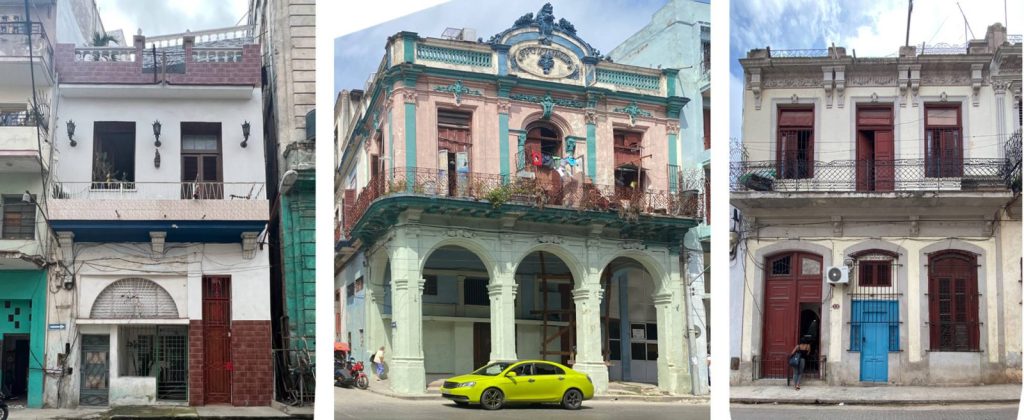
This type of incremental, resident-led transformation is not unique to Havana. Across the Global South, scholars and practitioners have long studied self-help urbanism as a response to economic precarity and housing scarcity. As John Turner has argued, such informal building practices often reflect not failure but ingenuity—a way for residents to claim space, upgrade their living conditions, and exercise agency within restrictive systems.
In his article: “The Squatter Settlement: An Architecture That Works,” Turner describes the houses built in shantytowns as “an achievement whose existence is “self-justifying and appearance is irrelevant.” Yet a different aesthetic reality exists in Regla and Centro Habana where self-builders are modifying neighborhoods at the heart of the historic city rather than creating settlements in unoccupied land on its fringes.
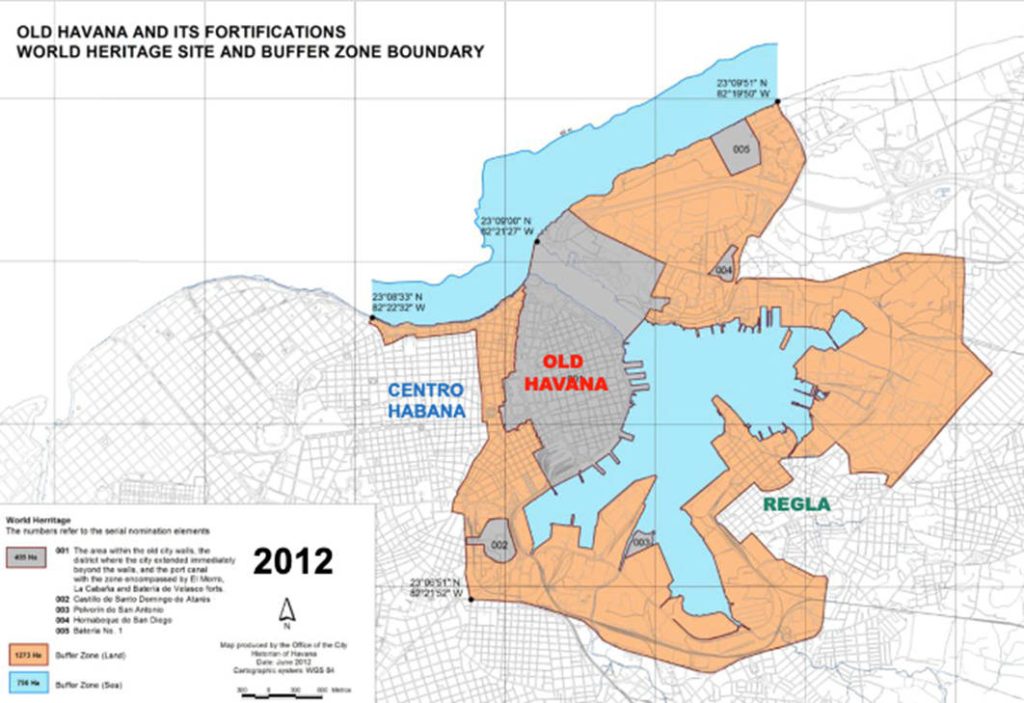
Most of the buildings in Regla are one- or two-stories high, vernacular, and unassuming. Here, the renewal of street facades by self-builders is changing the character of a neighborhood which is part of the buffer zone of the World Heritage site of Old Havana and Its System of Fortifications.
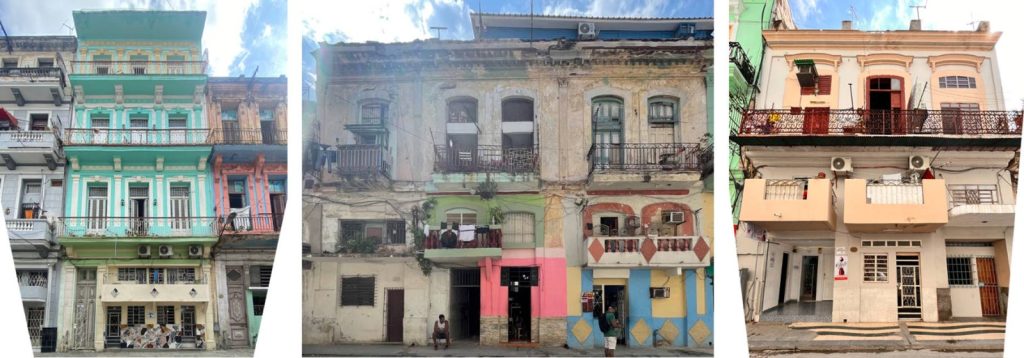
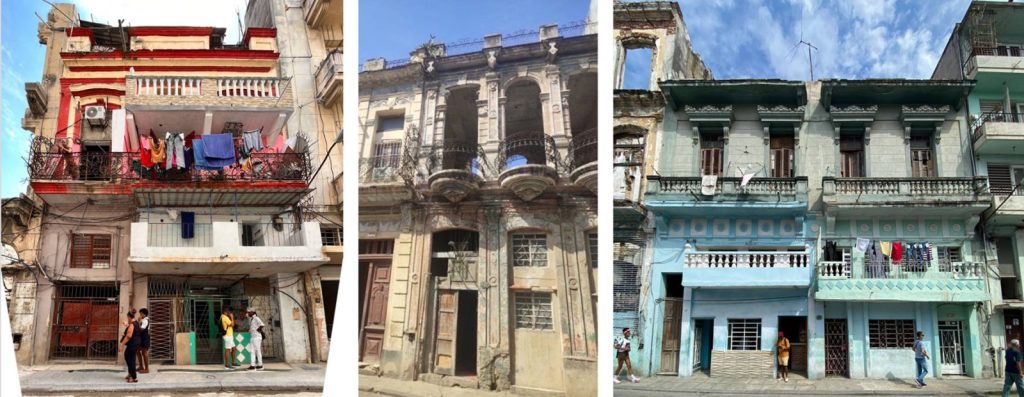
In Centro Habana the visual appearance of self-built constructions may be eroding an architectural conglomeration important to the future of Cuba’s cultural tourism sector. For decades, Cuban and foreign historians, architects, and preservationists, have recognized that the masonry multi-story buildings of Centro Habana, designed in a variety of classically influenced styles, constitute one of the most beautiful potential historic districts in Latin America. Yet decades long lack of maintenance and unmonitored self-built improvements have imperiled numerous of these structures. Whose beauty is also subject to the daily wear and tear of impoverished inhabitants, crowded into inadequate tenement apartments. What is the future of this place?
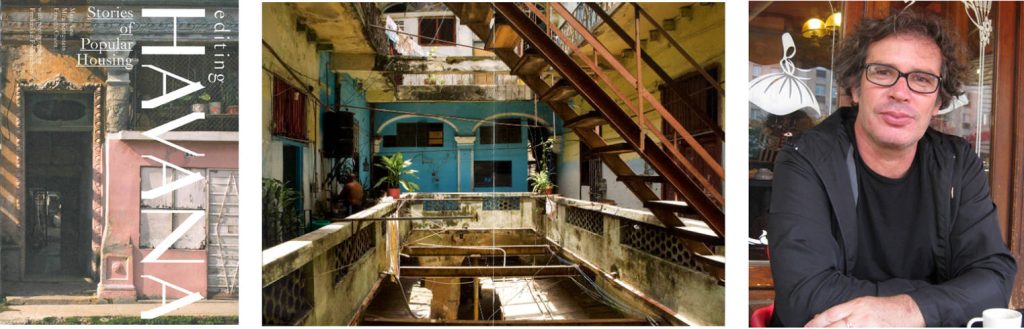
In his groundbreaking work, “Editing Havana: Stories of Popular Housing”, Cuban artist/urbanist Ernesto Oroza describes self-built constructions as an “architecture of necessity.” This design focus is primarily directed to need and bare functionality, whereas the traditional visual harmony sought for new construction in historic districts throughout the Global North are an unaffordable luxury for many of the self-builders of Centro Habana.
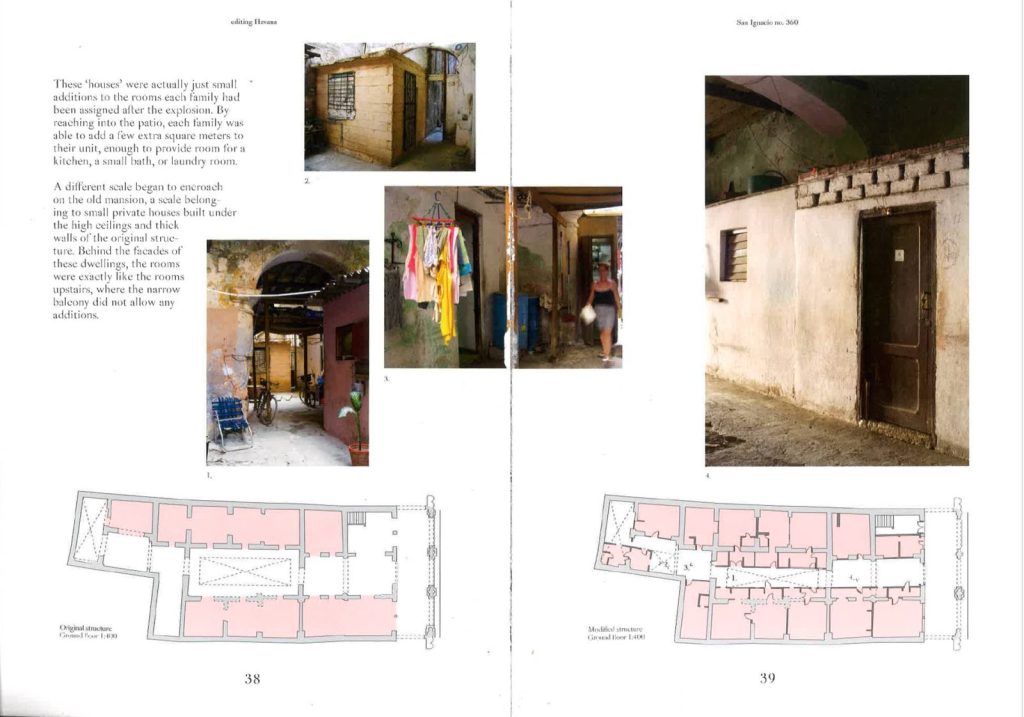
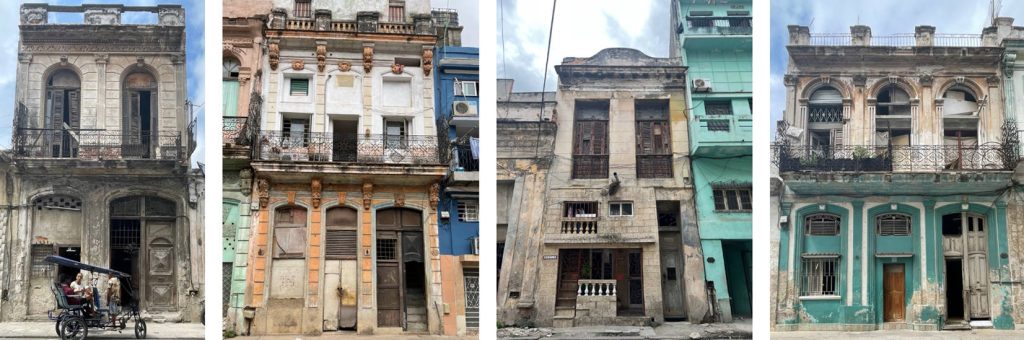
When inserted into the classically inspired historic buildings of Centro Habana self-built adaptations often look brutish and disjointed, as if a shantytown was infiltrating a preservation zone. But is such a perception an example of the cultural values of the Global North being applied to injustices in the Global South? Throughout the survey process the student teams challenged the aesthetic preconceptions of their acculturated eyes. Was there a fairer and more productive way to look?
The quantitative and qualitative importance of “self-building” was clear… We commented, for example, how many thousands of tons of iron had been used in the thousands and thousands of bars on windows and doors and there has never been a store where they sold that …!”
—Carlos Garcia Pleyán, speaking of the Regla Survey, 2019
Download/view the Regla Survey (82 slides)
The success of the Regla Survey led to two further institutional partners for a Centro Habana Survey. The project was honored that securing a complex package of permissions was undertaken by the Casa de las Américas. Field work was made feasible by the professors and students of the School of Architecture of the Technical University of Havana (CUJAE).
Download/view Centro Survey part 1 (34 slides)
Download/view Centro Survey part 2 (71 slides)
Download/view Centro Survey part 3 (39 slides)
A Final Observation by the Project Director:
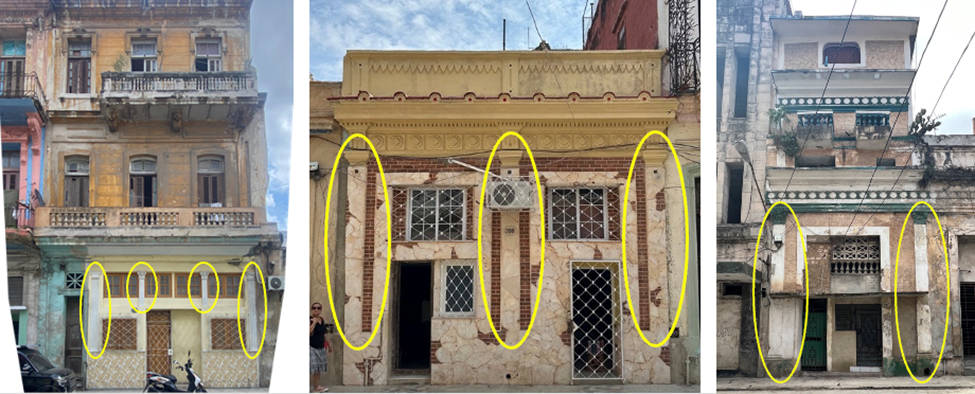
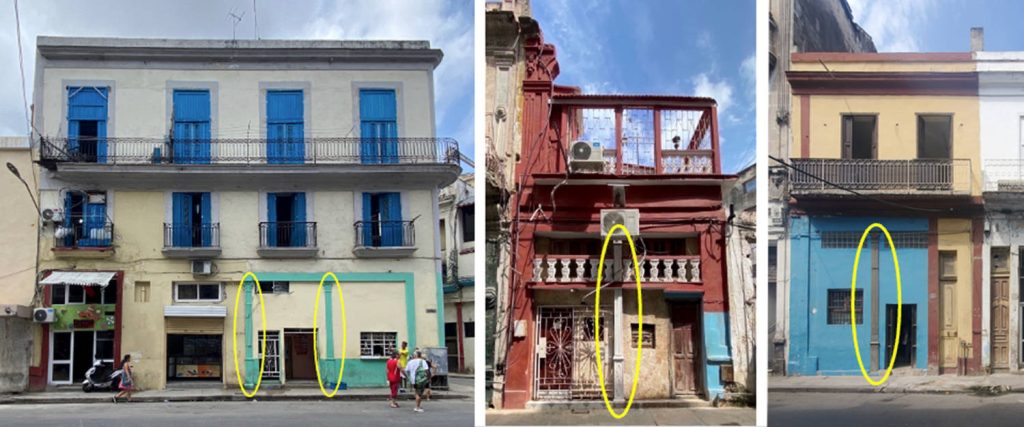
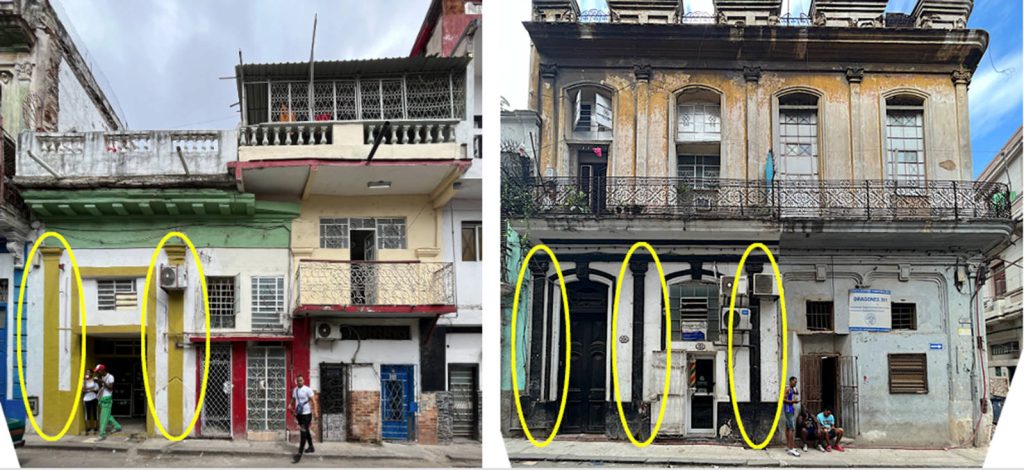
If, as per Cuban novelist and essayist Alejo Carpentier, historic Havana is a “City of Columns,” when the current self-builders of Centro Habana imprint their constructions by brightly painting classical historic columns perhaps it is to say: “We are of the culture too.”
CREDITS:
THE REGLA SURVEY
The Spring 2018 Regla Survey team at the New School completed a photobank of 6,784 images:
Bennet Donine (US), María Belén Fodde (Argentina), Olivia Gamber (US), Maren Hurley-Matz (US), Kristian Keene (US), Alyssa Kropp (US), Clara Marina von Loebenstein (US/Peru), Cassidy Nelson (US), Tripti Sahni (India), Douglas Salathe (US), Claudio de los Reyes Terán (Mexico)
A Summer Post-Semester Team at the New School completed an analysis of 500 buildings in Regla:
Clara Marina von Loebenstein, Douglas Salathe
A 2019 Fall Post-Semester Survey Team at the New School completed an analysis of a further 500 buildings in Regla:
María Belén Fodde, Clara Marina von Loebenstein, Douglas Salathe, Claudio de los Reyes Terán, Janna Akimova
Janna Akimova’s study of the Aesthetic Characteristics of Self-Build Constructions in Regla was exhibited at the Ludwig Foundation in Havana in Fall 2018.
THE CENTRO HABANA SURVEY
A Centro Habana Test Survey was created at the New School in 2020 by Daniel Chu and Carmen Ruiz Cruz.
Janna Akimova’s Dictionary of the Aesthetic Aspects of Self-Built Constructions in Centro Habana was created in 2020 at the New School.
The Spring 2023 Centro Habana Survey team created a photobank of more than 7,000 images and 1,000 buildings.
Pratt Institute Survey Photo Team:
Zein Ali Ahmad (Lebanon) Ayah Alruwais (Saudi Arabia), Semire Bayatli (Turkey), Clay Garble (US), Walker Johnston (US), Dennae Jones (US), Radhya Kareem (Pakistan), Stephanie Lichaytoo (Philippines), Noah Miller (US), Marium Naveed (Pakistan), Maithri Shankar (India), Robyn Stebner (Canada), Alison Weidman (US), Alexandre Zarookian (US)
CUJAE Survey Photo Team:
Daniel Alejandro Hernández Cruzada, Sheyla Sánchez Zavas, Elvis luis Castillo Castellanos, Lenny María Pagés Pérez, Erika Pérez Ziehl, Wendy Llanes González, Ailin Bornot Cruz, Ricardo Lugo Moreno, Olivia Peña Cazanave, Joe Abreu Feijo
New School Survey Field Managers:
Janna Akimova, Carmen Ruiz Cruz
Pratt Post-Semester Survey Analysis:
Ayah Alruwais, Radhya Kareem
Pratt Post-Semester Survey GIS:
Anna Feldman
New School Post-Semester Survey Analysis:
Belen Fodde, Max Scott
CUJAE Post-Semester Survey Analysis:
Ricardo Lugo Moreno, Olivia Peña Cazanave, Joe Abreu Feijo
FACULTY AND ADVISORS
Havana Survey Project Director:
Anthony Tung (2018-2024)
New School Survey Co-Professor:
Michael Cohen (2018-2019)
New School and Pratt Survey Co-professor:
Gabriel Vignoli (2020, 2024)
CUJAE Lead Professor:
Jorge Peña (2023)
Cuban Historic Architecture Consultant:
Claudia Castillo de la Cruz, (2018 – 2024)
Self-Build Architecture critical review:
Ernesto Oroza 2019, 2020, 2023
OLA website editing: Jasper Goldman
OLA website Spanish translation: Belen Fodde
OLA website design: Martin Gromez
THE REGLA SURVEY was funded by:
The New School, Graduate Program in International Affairs
The Ford Foundation
The J.M. Studley Fund
The Friends of Havana
THE CENTRO HABANA SURVEY was funded by:
The Pratt Institute, Graduate School of Architecture
The New School, Graduate Program in International Affairs
The Technological University of Havana (CUJAE), School of Architecture
The J.M. Studley Fund
The Friends of Havana