Conference: Bottom-up urban policies in Brazil: Nabil Bonduki’s research and practice
PUBLIC LECTURE BY: Nabil Bonduki, Brazilian urbanist, former São Paulo City Council member. Place: 55 West 13th Street, Hirshon Suite, The New School, New York

PUBLIC LECTURE BY: Nabil Bonduki, Brazilian urbanist, former São Paulo City Council member. Place: 55 West 13th Street, Hirshon Suite, The New School, New York
CONFERENCIA PÚBLICA POR: Nabil Bonduki, Urbanista brasileño, ex miembro del Ayuntamiento de São Paulo · Lugar del evento: 55 West 13th Street, Hirshon Suite, The New School, New York

Facing Risk provides answers to some dilemmas faced by the sustainable development agenda established by the international community.
Facing Risk provides answers to some dilemmas faced by the sustainable development agenda established by the international community.
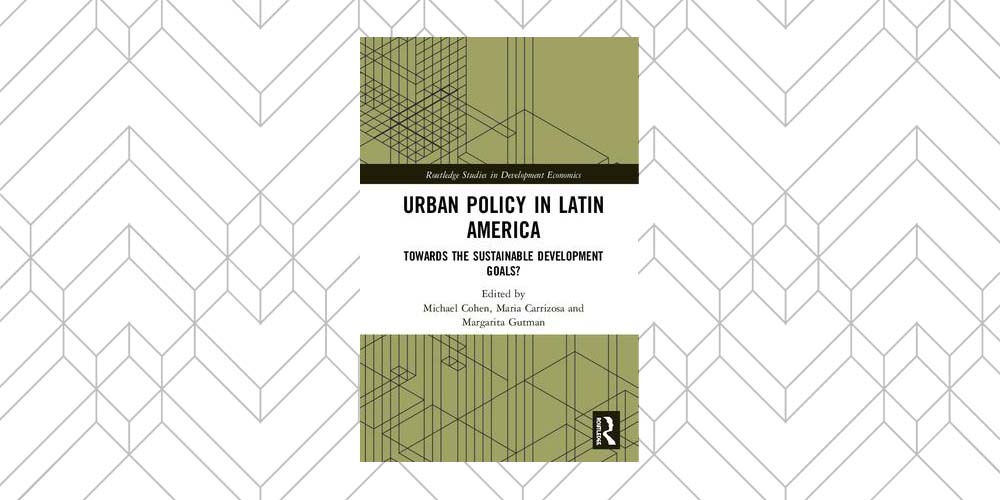
This book evaluates the impact of 20 years of urban policies in six Latin American countries: Argentina, Brazil, Chile, Colombia, Ecuador and Mexico. It argues that evaluating the fulfillment of past commitments is essential for framing and meeting the new commitments that were taken in Habitat III over the next 20 years.
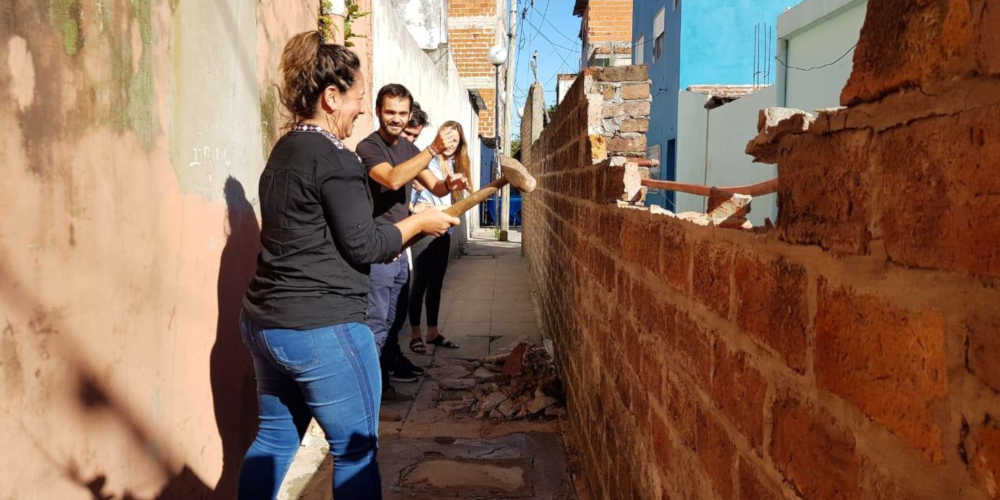
The Housing Authority of the City of Buenos Aires (Instituto de Vivienda de la Ciudad, IVC) has launched an innovative slum upgrading program which uses participation as an instrument to achieve socio-economic integration and to reduce inequality. The following questions will be discussed: Which are the costs and benefits of participation? How process-projects can contribute to reducing social exclusion? What are the conditions to enable sustainability?
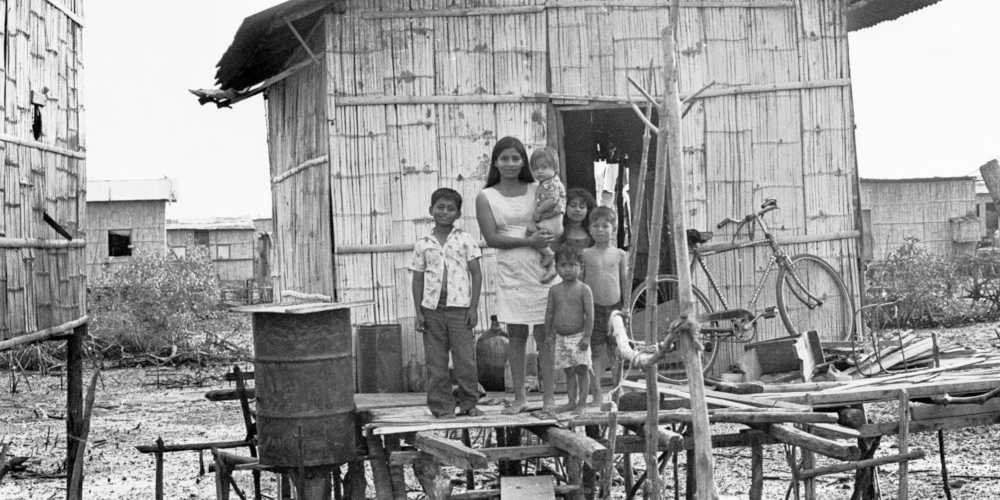
Screening and discussion with filmmakers of a documentary that looks at the transformation over time of an illegal squatter settlement.
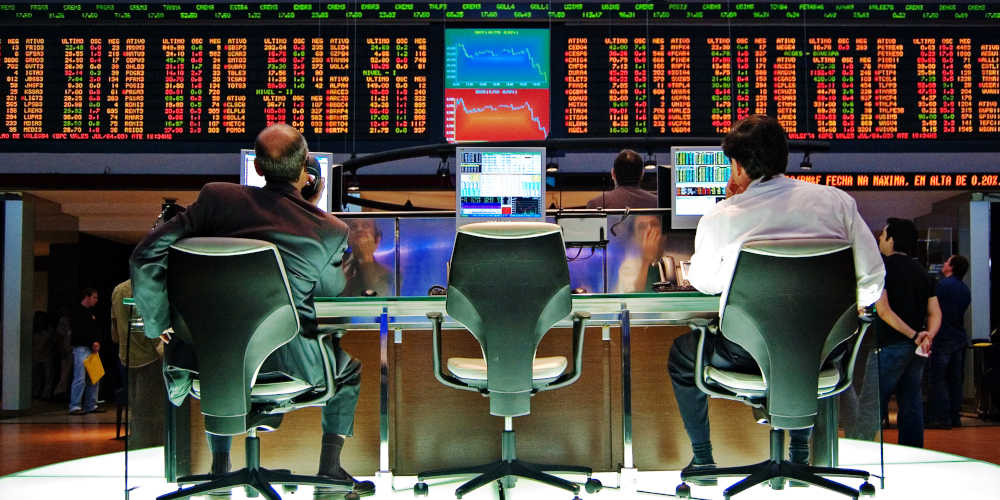
Dr. Barbosa will discuss Brazil’s current political and economic challenges, a discussion that becomes relevant in a time where political changes, and demands for equality and transparency have sparked across Latin America.
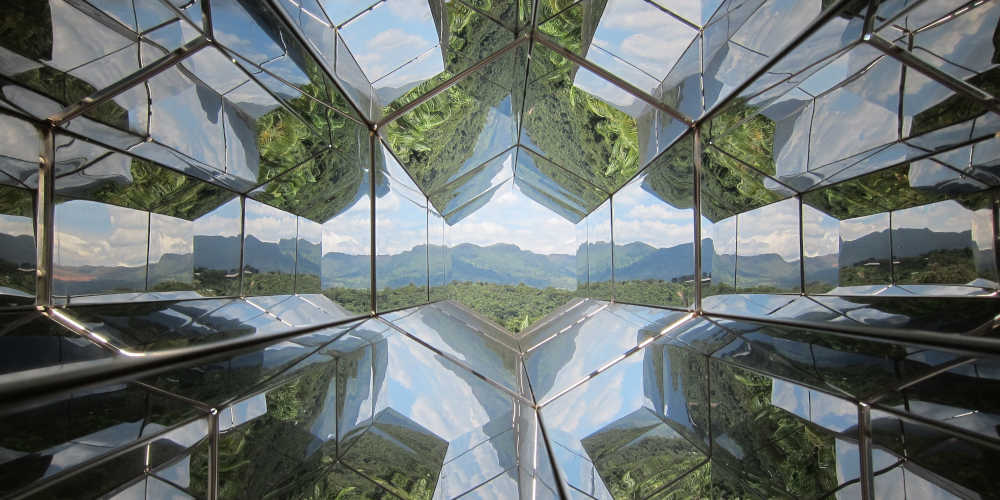
This seminar will discuss the political and economic challenges to implement a Green New Deal in Latin America and in the US.
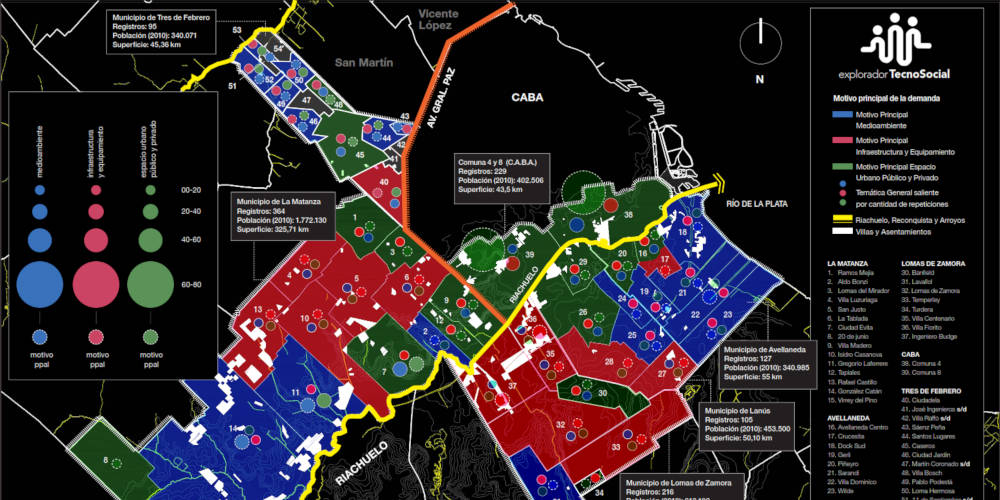
This text presents and discusses the scope of a set of visual tools, created to interpret complex data about territorial conflicts publicized by civil society through webs, blogs, and YouTube. We focus on demands sparked by problems in urban public and private space, infrastructure and environment, associated with hydric basins, sub-basins, and states of vulnerability and risk. These demands are mostly made visible by neighbors’ associations, alternative local media, NGOs, political associations, and individuals.
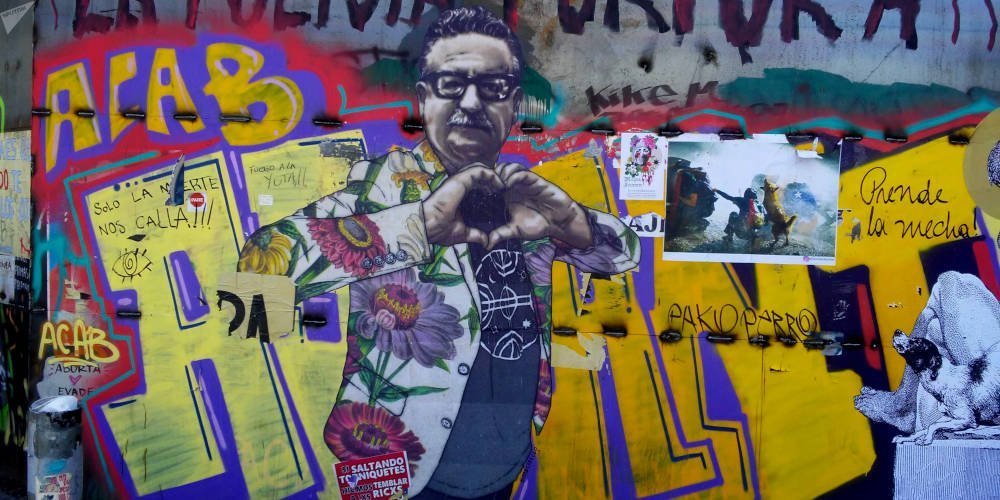
An analysis of protest graphics and graffiti in Santiago, Chile, as a way to understand the country's current crisis.
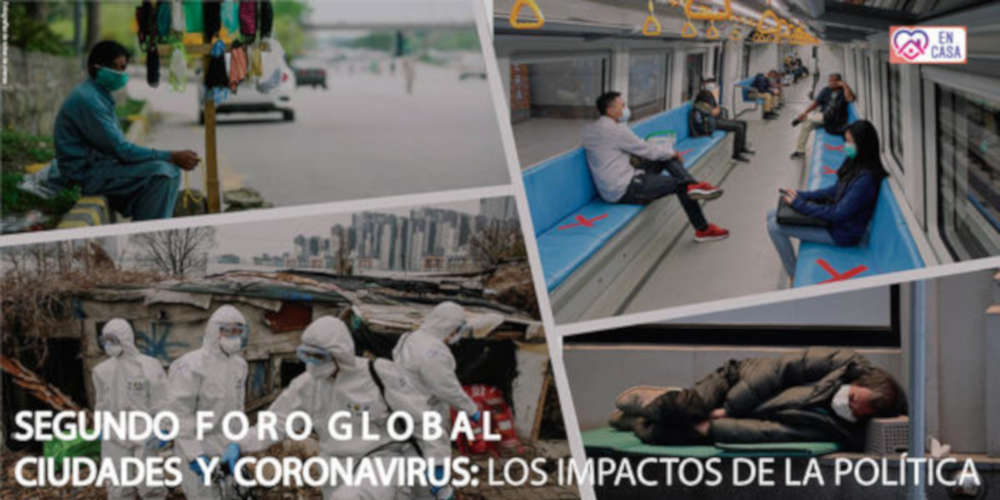
The main objective of this Second Global Forum is to debate the main impacts of the policies proposed to face the COVID-19 pandemic and their evaluation in the city environment.